PDF vs Online Permitting Software: Improving Municipal Accuracy and Speed
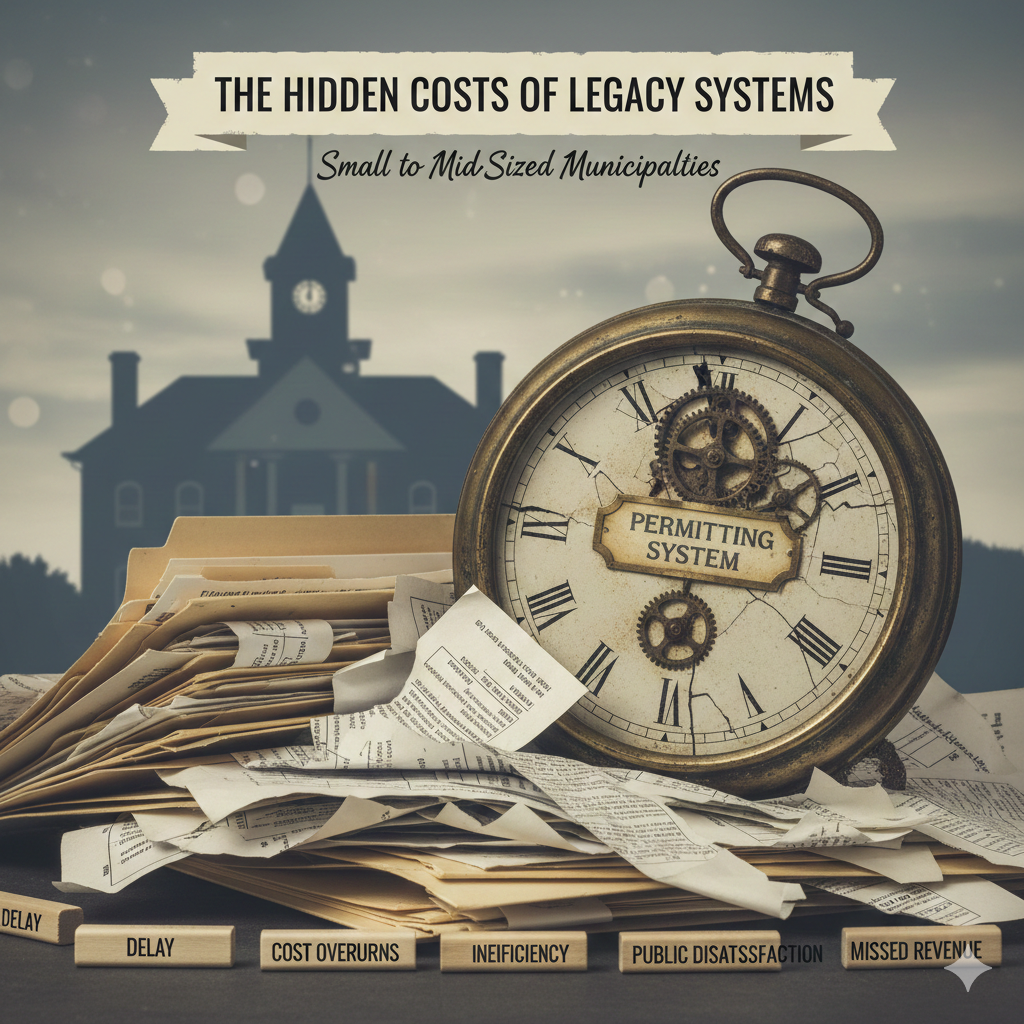
For many years, the transition from paper applications to fillable PDF forms was considered the gold standard for municipal modernization. By moving away from physical stacks of paper, local governments achieved better storage and easier document sharing. However, as the volume of building and planning permits continues to grow across Canada, the limitations of the PDF centric model have become a significant bottleneck.
While a PDF is digital, it is not data driven. It is essentially a digital picture of a document that requires manual intervention at every stage of the lifecycle. To meet modern housing targets and service expectations, municipalities are increasingly moving toward dedicated online permitting software.
Why the PDF Approach Fails
The primary issue with PDF based systems is that they lack a structured data layer. When a resident or developer submits a PDF, that information remains trapped inside the file.
Municipal staff must manually transcribe data from the PDF into internal databases or spreadsheets. This process is prone to human error, leading to typos in addresses, incorrect fee calculations, or missing contact information. Furthermore, PDFs do not offer real-time validation. If an applicant leaves a mandatory field blank or provides an invalid property roll number, the error is only caught days or weeks later when a staff member finally opens the file.
Operational Consequences
The reliance on static files creates several operational risks for municipal leaders:
- Information Silos: Permit data lives in email inboxes and local folders rather than a centralized system.
- Reduced Visibility: CAOs and Department Heads cannot easily track how many permits are in the queue or identify where specific delays are occurring.
- Staff Burnout: Planning and building departments often spend more time on administrative data entry than on high value technical reviews.
- Communication Friction: Status updates usually require manual emails or phone calls, consuming valuable staff time and frustrating applicants.
What Modern Permitting Software Changes
Online permitting software replaces static forms with dynamic, cloud-based portals. This shift moves the municipal process from document management to data management.
With a dedicated platform, data is validated at the point of entry. Applicants cannot submit a permit if required documents are missing or if the data does not meet specific criteria. Once submitted, the information flows automatically into a workflow engine. This eliminates manual entry and ensures that every department involved in the review has immediate access to the same "single source of truth."
The Canadian Context
Canadian municipalities face unique pressures, including strict provincial timelines for permit processing and evolving building code requirements. Whether it is the Planning Act in Ontario or the Local Government Act in British Columbia, the legal framework requires high levels of transparency and accountability.
As the federal and provincial governments push for increased housing supply, municipalities are under pressure to reduce "red tape." Modern software provides the audit trails and reporting tools necessary to prove compliance with these provincial mandates while providing the speed required to support local growth.
Where PermiPro Fits In
PermiPro is designed specifically to bridge the gap between traditional municipal processes and modern digital expectations. It provides a centralized platform where applications, payments, reviews, and inspections are handled in one place.
By moving away from fragmented PDF workflows, PermiPro allows municipal staff to focus on their core expertise: ensuring safe and sustainable community development. The platform offers clear visibility into every stage of the permit lifecycle, helping leaders identify bottlenecks before they become backlogs.
Book a Demo
Discover how your municipality can transition from static PDFs to an efficient, data driven permitting process.